Rain Water Harvesting for your garden
Capturing water can be as simple as putting a bucket under the downspout, or as complex as multiple water cisterns and rain barrels with taps, pumps and hoses to deliver the water to its destination (your landscaping and gardens) via drip irrigation systems.
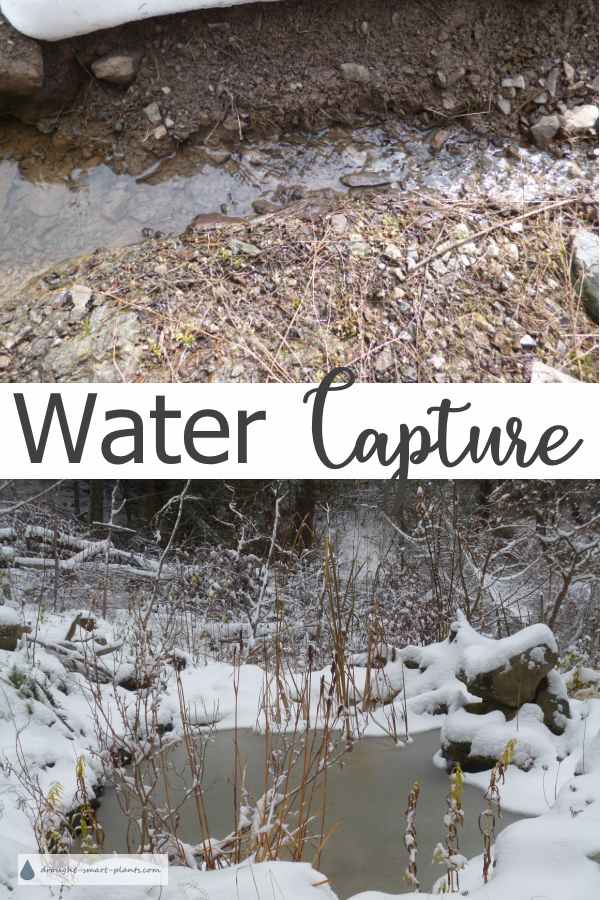
Got a xeric garden? Utilizing as much of the natural water supply as possible is an important feature.
Just choosing drought tolerant plants and having smart strategies to make your water go further isn’t enough; even a perfectly planned and planted xeric garden requires some water.
The purity of the water carefully collected from a roof is its most amazing attribute; if properly collected, it ranks up there with distilled water for the absence of organisms or pollutants.
Many rainwater harvesting systems have a way of discarding the first run of water from the roof to avoid twigs, leaves and bird droppings from contaminating the collected water in a cistern.
Preventing debris from getting into the rainwater collection tank will ensure that pumps won’t clog and the water remains pure.
We waste water like, well, water. Throwing it around and disrespecting it has got civilizations in trouble before; treat it right.
Rain as it falls from the sky usually has few impurities, making it perfect for watering plants.
Using rainwater to irrigate succulents with waxy or hairy leaves won’t mark them with calcium or other minerals.
Using Rainwater and its benefits
Rainwater has been long been prized for washing hair – use water from rain water cisterns to rinse out the shampoo and you’ll be pleasantly surprised at how smooth and sleek your hair feels.
This is due to the pH of the water – testing it with a pond testing kit will tell you the ‘softness’ or ‘hardness’ of water, and rainwater is about as soft as it can get, and without any added chemicals.
For plants, rainwater is the best – it’s got some unique attributes not found in any other kind of water such as groundwater that may have minerals in it. That’s what causes the hard water scale on terracotta pots, and clogs up the sprinklers.
In some areas, rainwater is used for household purposes, even drinking water, but a system should be set up specifically to safely capture it to eliminate contamination from dust and bird droppings from your roof.
A rainwater diverter will prevent the first flush off the roof from going into the rainwater storage tank.
The Xeriscapers Creed?
What’s that?
Rules to Garden By…

Rainfall and Greywater
Capture as much rainfall as you can off the roofs around your homestead, and don’t forget snow-melt as well. Remember to make your water capture system beautiful too, with a rustic rain chain.
Any water source such as a ecosystem pond will attract birds and the insects they feed on to your garden.
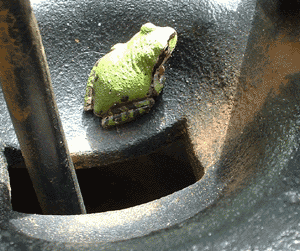
In some areas of the world, greywater, the waste water from showers and laundry, is guided into a treatment area such as a mulch bed or reed bed to be purified in a natural way.
Warm winter areas would be the most logical place to use this.
How to become a lazy gardener, and harvest rainwater without trying
Leave stems and flower heads on your perennials and shrubs to capture snowfall. This is especially important if you’re in a windy area.
Use snow fencing if you have no hedgerows or a windbreak close by, or build a loose fence of tree limbs and brush to stop drifting.
See more compatible hardy succulents for your xeriscaping:
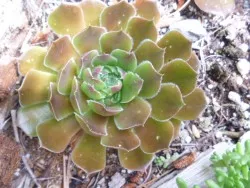
Whether you’re seeking the odd and unusual, or something reliable and classic, this list will give you some great choices; click on the plant:
Building berms and swales to guide heavy rainfall to areas that need it without flooding and erosion is an investment that will pay dividends.
Soil conservation is an important benefit of capturing rainfall.
Line the swale with grass or other plants, or make a dry streambed.
Rain gardens will allow the water to slow down and prevent run off.
Use a siltation pond to allow the sediment to settle before the water leaves your garden to prevent polluting of downstream water bodies.
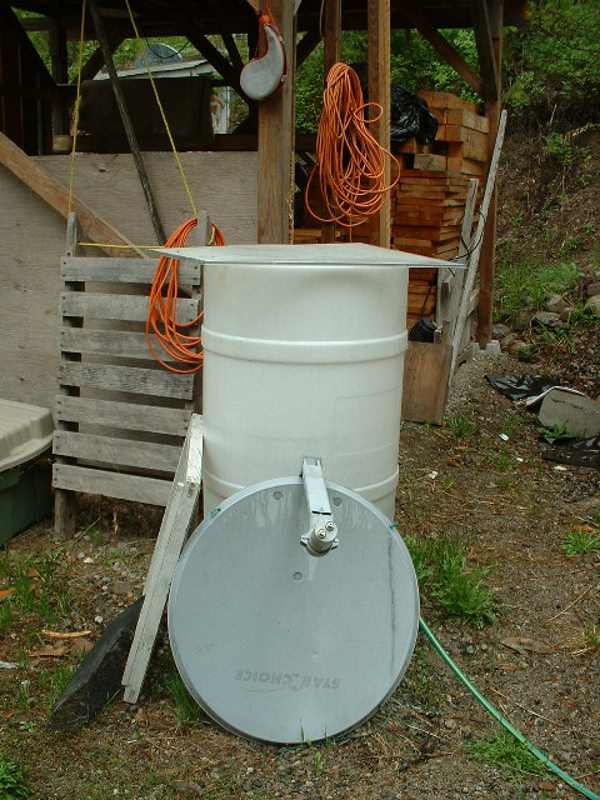
Rain Barrel with screen to keep the mosquitoes out.
Safety and Maintenance Tips
for your rainwater collection systems
- Don’t leave containers of water open for babies, pets or wildlife to fall in and drown.
- Keep containers covered with screens against mosquitoes – don’t risk the West Nile virus, or heart worm in your dogs or yourself.
- Be aware of algae build up in the containers, some of it is toxic to pets or wildlife, as well as being unappealing to us.
- Use the water immediately if it’s stagnant and putrid – put it on your compost pile!
- Winterize your water collection system by draining all buckets and rain barrels before cold weather arrives, as ice building up can split plastic or metal.
Using some smart systems to capture at least a little bit of water can ease the burden on our public water systems, plus the strain on your wallet.
If you can use free rainwater, and gravity to get it to where it has to go, you’ll save money and the planet in one easy step.