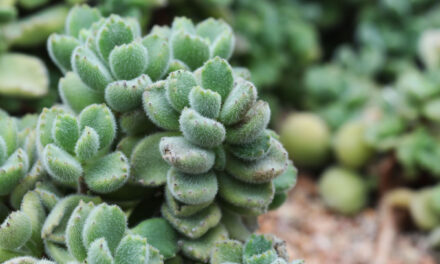
What’s the Best Soilless Mix
for Your Succulent Plants?
As an Amazon Associate I earn from qualifying purchases.
Other links on this site may lead to other companies that I’m associated with.
The best soil for succulents is well drained – the quickest way to kill succulent plants is to put them in rich soil, with manure or other organic matter, which holds moisture.
Succulents do not appreciate the kinds of conditions that jungle plants love; moist, nutrient rich compost based soil. Excess water is not our friend.
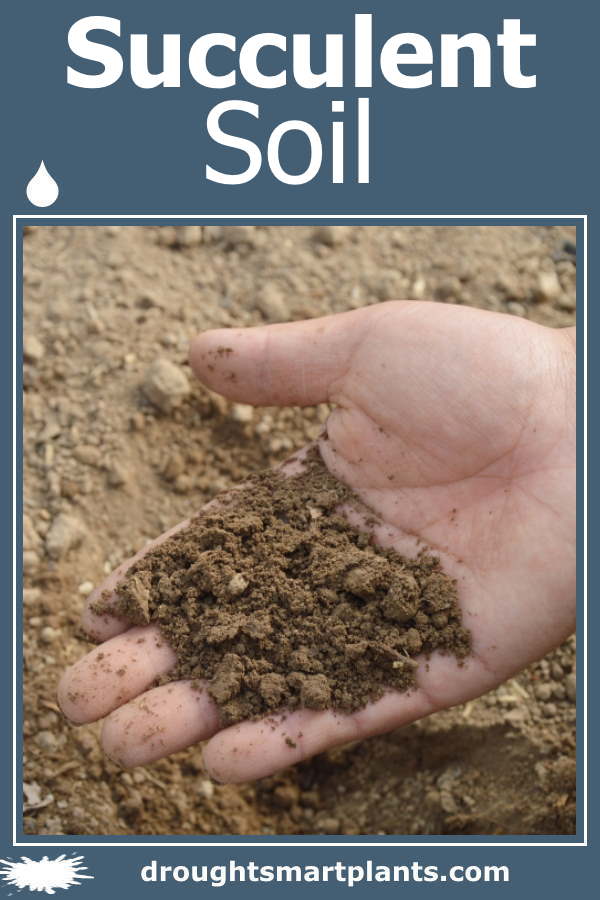
Garden soil on its own, even the very best vegetable garden soil with lots of additional organic matter, is not suitable for succulents in any kind of container or pot; succulent soil should be a lean soil, with little to no organic matter or excess nutrients, and extremely sharp drainage.
This rules out garden soil, even sandy soil. For most garden plants, you actually want moisture retention; for succulents – especially if they’re grown in containers – this will be the death of them as it will cause root rot.
However, just because they don’t like too much organic matter it doesn’t mean you can’t add some compost to the soil, just don’t overdo it. 10-20% by volume is plenty. The organic components should be outweighed by coarse grit or larger particle size for a fast draining mix.
Caution; do not use manure because it’s too strong – use that for making compost tea or to put on the vegetable garden. Instead, make compost from kitchen scraps or vegetation like leaves to use in your succulent soil.
I do use a small amount of composted and aged steer manure for succulents in garden plant pots, especially those with just a small soil reservoir.

Making your own succulent soil mix means you can tailor it to your succulent plants needs by changing the ratio of sand, aggregate and other components.
Fine sand or silt will clog the pores of the soil, so rinse or sieve out dust before you mix the different ingredients.

Hardy succulents grown in ground prefer to have grit and even some rocks to cling to. Their roots will travel quite a distance to seek out moisture, but they can’t have any standing water – especially late in the fall if you live in areas where it freezes.
A mulch of stones, lava rock or even a few decorative larger rocks will give the roots somewhere to find a tiny bit of water, even when it’s super hot and dry everywhere else.
Their favorite rocks? Anything with a porous appearance, like this sedimentary rock local to my area will work.
DIY Succulent Soil Recipes for Hardy Succulents
For Sempervivum and other hardy succulents potted into containers use some type of commercial bagged potting mix such as Miracle Gro, Sunshine Mix #4, or comparable brand with equal parts Turface, pumice and chicken grit. Pumice isn’t that easy to find, but it’s absolutely the best.
Keep in mind that the Sunshine mixes contain water holding polymers, which hold a lot of moisture, so in most cases, your hardy succulents won’t need much additional watering.
A word of caution with mixes that contain a water retaining polymer: this breaks down under freezing conditions, turning it into a sodden, slimy mess. Use these types of soil mixes outdoors with caution. Wet soil won’t make your succulents happy.
I suggest smaller pots for Sempervivum especially, and the addition of pumice or small sized lava rock for additional drainage.
After planting top dress with the chicken grit or other mulch like lava rock, crushed granite or pumice.
With Sempervivum as well as other hardy succulents such as Jovibarba, Orostachys and Rosularia avoid too much fertilizer as this can cause them to grow too fast.
They come from alpine areas, growing in gritty soil with little organic matter, in a climate that is warm and dry through the short summer growing season and snowy in the winter.

Sempervivum ‘D.S.2.’ growing happily in really shallow soil. Gritty and well drained, these plants thrive in soil that has little organic matter, except for what collects around the crown of the plants blown by the wind, dropped by animals, and the main nutrients are derived from the underlying rocks leached by rain and snow.
Here’s a succulent soil recipe:
- 1 part Miracle Gro Potting Mix
- 1 part Turface
- 1 part chicken grit
- 1 part fir bark (smaller particles)
The turface usually won’t need to be sieved unless it has a lot of fine dust which could clog up the pores in the soil when wet.
For a trial, pot some Sempervivum in:
- 1 part turface
- 1 part granite grit or coarse sand
- 1 part fir bark (smaller particles)
Plant others in:
- 5 parts fir bark
- 1 part peat moss
- 1 part perlite(this is often the white pieces you’ll see in soil from your local garden center)
- a little Dolomite lime
The best way to mix your own soil is with dry ingredients, in a bussing tub or other shallow container. Use a scoop or measuring scoop to get the same amount of ingredients by volume.
In a month or so of growing, compare the plants top growth and also the root structure and see which one does best in your growing conditions.
Some climates are quite wet in the fall and winter, which requires an extremely well drained soil mix.
Pumice or crushed lava rock mixed into a commercial type soilless mix will give you excellent drainage, and ‘tooth’ or something for the roots to grip. Poultry grit will perform the same function, added to the mix.
As alpine plants, many hardy succulents have the ability to cling to any small particles to hold them in place – they’re well adapted to steep terrain and cliff faces.
It’s worth experimenting a bit to find which soil mix your succulents like best for your particular climate.
Once you’ve finished thoroughly mixing all the ingredients, keep your perfect succulent soil mix in an air-tight container where it will stay dry.
When you think about where succulent plants originate, very few of them have evolved near trees. So they wouldn’t necessarily be happy with leaf mold, compost or bark products because these would hold too much moisture.
The secret is to test, test and then test some more to see what kind of soil works best for the particular plants you’re growing, and your climate and conditions.
Soil for Tender Succulent Plants
Tender succulents require a slightly different type of soil, especially if you plan on bringing them in for the winter.
The last thing you need is to bring in all kinds of pests, which are sometimes attracted to soils high ratios of organic matter.
Good drainage is usually the one thing missing from most house plant soilless mixes, which are sometimes the only type of soil available. Mix this type of soil half and half with some kind of grit, like turkey grit, or pumice – perlite is another option, but sometimes it’s so light that it tends to float right out of the mix.
Many commercial types of mixes contain peat moss, or its more ecologically sensitive cousin, coir fibre or coconut coir to hold moisture in a soil. This is a good option, due to the fact that both of those ingredients are a lightweight organic soil amendment.
I use Sunshine Mix #4, or commercial cactus soil mix and add a small amount of steer manure, for outside during the summer.
This is generally pasteurized, so won’t bring in the same kind of pests as compost or other manure based soils. I have had the issue of moss or algae growing on the surface, but this is usually an indication of either too much moisture, or not enough drainage.
Mulch that soil! Use turkey grit, pea gravel or lava rock or other volcanic rock (like pumice) to shade the soil, and eliminate moss. Even though succulents need little moisture, they still benefit from a soil covering mineral mulch.
Look for soilless mix specifically for cactus plants; this has the excellent drainage necessary for all types of succulents. If you prefer, mix this type of gravelly soil with half regular potting soil to give it more nutrients.
Looking for soil that you can order online? Try these products from Amazon;
I recommend certain things when you buy soil; no matter where you get it, look for soil with extra drainage, or buy the ingredients separately. I’ve listed some great options from Amazon below;

Don’t need lots of soil? This product is a smaller sized bag, making it perfect to try without breaking the bank;Hoffman 10410 Organic Cactus and Succulent Soil Mix, 10 Quarts
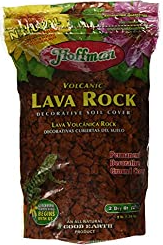
Soil is important but so is mulch; use my favorite lava rock to top the soil with to hold it in place when you water, or mix some right in to the soil to provide more drainage and the tiny air pockets that succulent plants love; Hoffman 14452 Volcanic Lava Rock, 2 Quarts
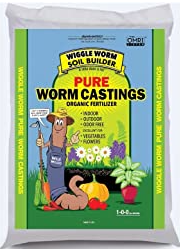
Add a cupful of worm castings to each batch of soil, or sprinkle on a tiny amount (a teaspoon full) to give long lasting slow release feeding; Unco Industries Wiggle Worm Soil Builder Earthworm Castings Organic Fertilizer, 15-Pound
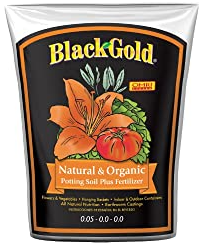
Mix this type of soil half-and-half with some kind of additional drainage; pumice, turkey grit or decomposed granite, or large sand; Black Gold 1302040 4-Quart All Organic Potting Soil
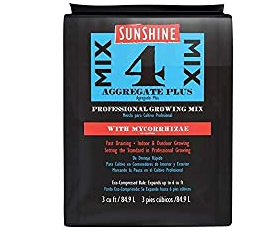
My all time favorite soil that I recommend for growing succulents in – this sterile media has a water holding polymer, making it easy to re-wet; Sunshine Growing Mix With Mycorrhizae