Succulent Care

Growing Succulents Successfully

Succulent plants require only a few basic things, but these few things are very important. Growing succulents successfully depends on recognizing the difference between xerophytes, desert plants and other types of house plants that originate in a jungle situation.

If you try and grow succulents in the same way as many other houseplants, the results could be disappointing.

Sometimes they are at a disadvantage even before you get them; if you've ever asked this question: Why is my succulent dying? you need to see this page.

Many indoor gardeners have grown other jungle plants, even had great success with Epiphyllum, the Orchid Cactus and Schlumbergera, the Christmas Cactus.

Although many epiphytes are succulents, the conditions they prefer are more like a other plants we grow indoors; they have adapted to more rainfall, and a compost based soil due to the fact that they originate high in treetops bathed in mist and growing in leaves and twigs caught in the branches of the trees.

Much more difficult are Lithops, the Living Stones or Pebble Plants. Learning how to grow Lithops is the ultimate challenge in growing succulent plants.Their preference is for perfect drainage, with certain dormant periods throughout the year.

Wondering what type of succulent you have?  Learn more with the Succulent Identification Chart.

Caring for the most common succulents is a skill easily learned, with just a few rules.

Succulent Plant Propagation

Succulent Plant Propagation

Poisonous Succulent Plants

Poisonous Succulent Plants

How to Prune Succulents

How to Prune Succulents

Vegetative Propagation

Vegetative Propagation

Seed Propagation

Seed Propagation

Pruning Succulents

Pruning Succulents

Succulent Plant Pests

Succulent Plant Pests

Plant Guides

Plant Guides

Plant Pests E-Book

Plant Pests E-Book

Growing Succulents Successfully; a few basic rules

Succulent plants have a need for a well drained soil, whereas most house plant soil is the opposite. Mixing a regular soilless mix with extra aggregate such as pumice, perlite or small gravel or turkey grit will improve the drainage part of the soil mix immensely.

Another requirement that is crucial for succulents is that the soil should dry out almost completely in between thorough waterings.

See the page on succulent soil for more guidelines.

Succulents Under Grow Lights

Bright light is essential, so think about getting grow lights for the winter

Light Requirements for Succulent Plants

If you envision where these plants were adapted to in their wild habitat, in most cases they are in full blazing sun, with long hours of intense ultraviolet exposure.

The perfect conditions in an indoor situation will be in bright light such as a south or east window, supplemented with extra hours of light under fluorescent tubes.

I use one cool and one warm tube in industrial or shop fixtures, which gives the correct spectrum of light - this is a much more economical choice than the more expensive and exclusive 'grow tubes' that you can buy.

Avoid metal halide or other large lamps - these create a lot of heat, and also high energy bills.

Optimum length of light should be around 12-14 hours of light per day, so supplement the natural daylight they receive with grow lights to that amount.

Watering Tips for Succulents

Using rainwater or distilled water warmed to room temperature or even to lukewarm or tepid will give the best results. Cold water shocks the roots, resulting in their death.

In the winter while the plants are in a state of dormancy, I usually cut back on the frequency of the water they receive, although they still get the occasional deep watering. For the summer, they can take a lot more moisture once they go into a growing phase - let their appearance guide you in applying the watering can.

Feeding Succulents

Fertilize only sparingly, as in the conditions and environments where these desert plants originate, organic matter, especially any kind of manure is nonexistent.

The best kinds of fertilizers, if used at all, are very weak solutions of compost tea, or worm castings that will act as a slow release fertilizer.

For containers displayed out doors for the summer, I sometimes mix a small amount of pasteurized steer manure into the soilless mix to provide all the nutrients for a full season. There is little risk of introducing pests into your overwintering room with a sterile additive.

Winterizing Succulents E-Course

Winterizing Succulents E-Course

Not sure what you should be doing when bringing your tender succulents indoors for the winter?

Sign up for the FREE Winterizing Succulents E-Course and find out how to keep your succulents happy and healthy:

Click on the picture:

Buy commercially produced bagged worm castings or grow your own with a worm farm; find out how to start your own vermicomposting with the Organic Garden Goddess.

Succulents in a bright warm environment

Succulents thrive in a bright warm environment

Their evolution in these types of conditions has given them strategies for survival in only those conditions.

Low light levels and a humid atmosphere will lead to them struggling to survive.

Following the rules of succulent care will ensure that your plants are happy and healthy, disease and pest free. Once you learn the basic guidelines for caring for succulents your collection will thrive.

Having a Horticultural Crisis?

Ask me here...

Ask the Horticulturist your question about growing plants, their pests and diseases, or any other plant or garden related issue.

NEW!  Get priority attention for the low price of $5 per question HERE.


Hardy Succulents

Tender Succulent Plants

Succulent House Plants

Cacti and Succulents

Succulent Pictures

Succulent Plant Pests

Garden Pests

New! Comments

Have your say about what you just read! Leave me a comment in the box below.

Still looking for something? Search the Web here:

Xeria E-Zine - get the scoop

Sign up for Xeria E-zine and get your FREE bonus five part e-course on Xeriscaping:

Enter Your E-mail Address
Enter Your First Name (optional)
Then

Don't worry — your e-mail address is totally secure.
I promise to use it only to send you Xeria.

Succulents;

our favorite plants!

See more succulents:

Aeonium

Aeonium

Aloe Succulent Plants

Aloe Succulent Plants

Crassula

Crassula

Echeveria List A-L

Echeveria List A-L

Echeveria List M-Z

Echeveria List M-Z

Graptopetalum

Graptopetalum

Haworthia

Haworthia

Huernia

Huernia

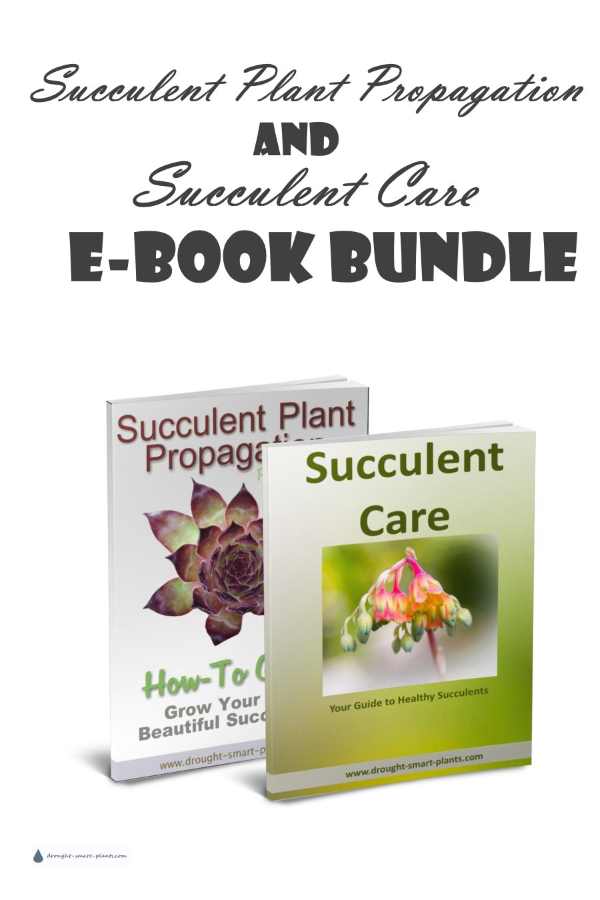
Buy the Succulent Plant Propagation E-Book; Click on the picture:

Succulent Plant Propagation E-Boo

Relax...

...it's not contagious!

But if you notice some of these signs and symptoms, it might be too late for you; the succulent obsession has got you:

  • if you drool in the presence of succulent plants
  • find yourself spending hours talking to and admiring your new plants
  • learning all you can about how to grow them, prune them, propagate them, and photograph them takes over your life

you might have the obsession. 

Sorry, there's no cure except to add more plants to your collection!

Interested in a Succulent Crafts E-Course?

Find out more here:

Click to find out more about the Succulent Crafts E-Course...

Like
Drought Smart Plants on Facebook:

Like Drought Smart Plants on Facebook

Click on the icons to share this page on your favorite social media:


Follow Me on Pinterest

Gather
on G+

Gather on G+