
This listing shows the species and varieties in my collection
Using these hardy and gorgeous plants in other unusual crafts is becoming the norm – especially in colder climates. Their popularity is rightly deserved.
They are beautiful and have a myriad of textures and colors – ranging from deepest mahogany, glossy and velvety, to pale mauve, muted pink or even white covered with cobwebs.
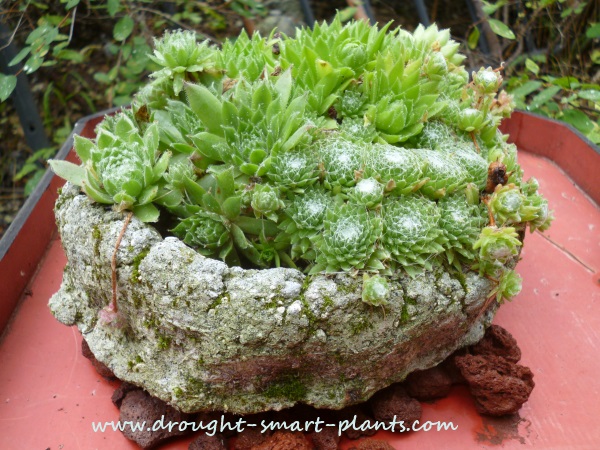
They are tough, reliable and versatile, and can be used in rock gardens, succulent gardens, crafts like topiary, mosaics and frames.
They combine perfectly in borders and beds with other hardy succulents like Sedum, and thrive in the most challenging of conditions.
The latest trend is using succulents as wedding flowers – I am in awe of how gorgeous these look in wedding bouquets and for centerpieces, favors and boutonnieres.
The best part of using these hardy cousins of the tender succulents?
After the big day, they can be planted in the garden to thrive and grow as a permanent reminder of the special festivities. Most are hardy to Zone 3 on the Canada Ministry of Agriculture Plant hardiness zone map.
If you haven’t tried making hypertufa yet, you’ll be amazed at how well hens and chicks fit into this rustic style of pots and containers.

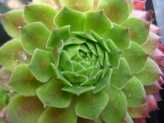
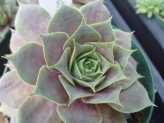
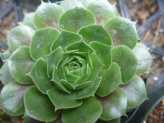
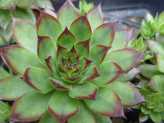
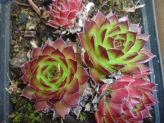
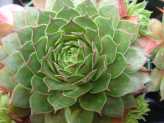
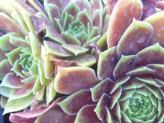
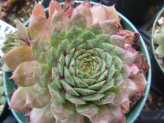
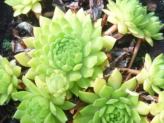
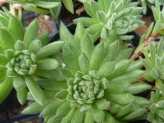
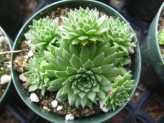

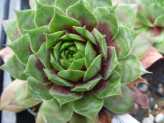
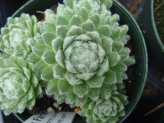

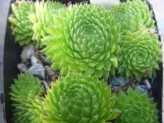
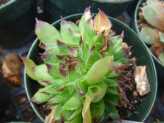
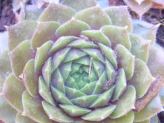
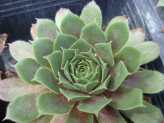
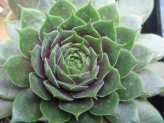
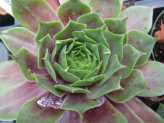

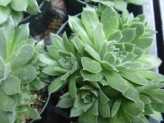
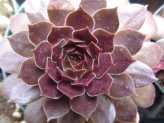
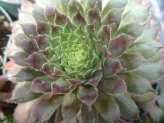
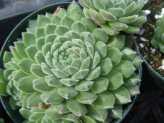

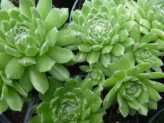
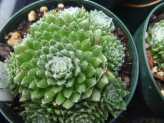
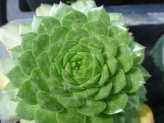
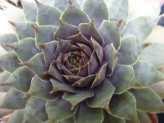
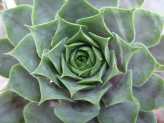
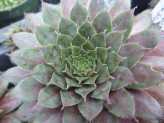
Have fun with this pile of pictures showing the seasonal changes of some of my favorite Sempervivum varieties in this Sempervivum Picture Gallery.
The changes are subtle in some cases, but dramatic in others. Some change colour completely, and start to show some amazing watermarks or striping.
Others blush with a different colour from the center outwards.
Some that you don’t find all that exciting at first can take your breath away as they come into their own in cooler weather, or when it first gets warm in the early summer. They all have their own season to shine…

Hover your mouse over the photos to get a better view
| |
 |
 |
 |
 |
 |
 |
 |
Interested in more about one of my favorite plants? I grow these in my xeric garden where they rarely get watered, especially during the long warm summers here in the Kootenay Boundary country of British Columbia.
Luckily, even if they look a little ragged at the end of the season, they quickly recuperate in our regular fall rains. Here they are going into winter once the cold weather sends them into dormancy.
By spring time, after a winter snuggled under a blanket of snow, they look spectacular, and I’m sure that some of them somehow manage to grow even in the cold.