Bee and Pollinator Attracting Plants
Growing plants for bees in our xeric gardens and wild places will help the native bumble bees, solitary bees like mason bees and blue faced bees as well as the domestic honey bees that are in dire trouble.
Bees and other pollinators are some of the most sensitive creatures to pollutants and herbicides, not only because they damage the plants that bees feed on, they also weaken the bees’ immune system.
In our efforts to cling to our dominion over the land, we’ve poisoned the environment with pollution and pesticides, destroyed habitat, imported invasive species of plants and animals; in short, rode roughshod over the land.
The payback is climate change, and the endangerment of the honeybee.
Many people are not aware of the crucial role that bees play in the delicate balance of the ecosystem.
Not only do they provide honey, one of the most complete foods known to man, they play a fascinating and integral part in the pollination of most of our food.
See more about Honey Bee Deaths in depth on this site.
A world without bees would be a desolate place without apples, tomatoes, green peppers, coffee, chocolate… the list is extensive.
We would still have grains as they are wind pollinated, but it would be a sad and comfortless place, for the very few years that we could exist without bees.
What can we do to help the bees?
Growing nectar plants specifically to encourage the healthy growth of hives and eliminate parasites such as varoa mites are ways we can help, as well as eliminating the use of pesticides in our gardens and farms.
Allow the growth of some weeds, especially those with valuable attributes such as pollen or nectar in your garden and choose from the many plants that bees love. Making sure we have a bio-diverse ecosystem and choosing from the many different flowering plants for bees that bloom in waves over the summer will give them the best chance of healthy survival.
Learn more about how to Save the Bees here.
Best Plants for Bees
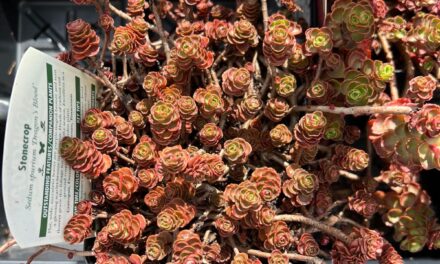
1. Sedum
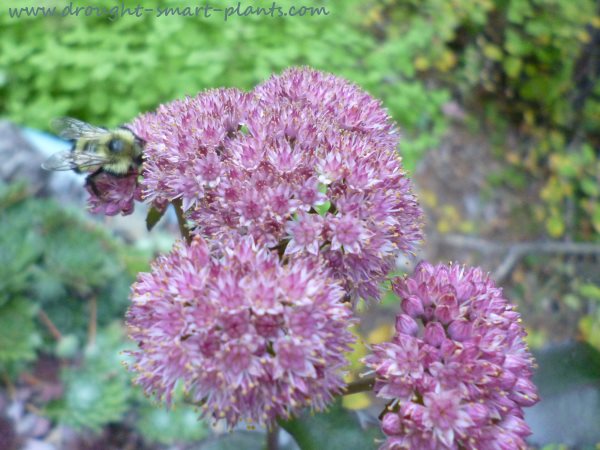
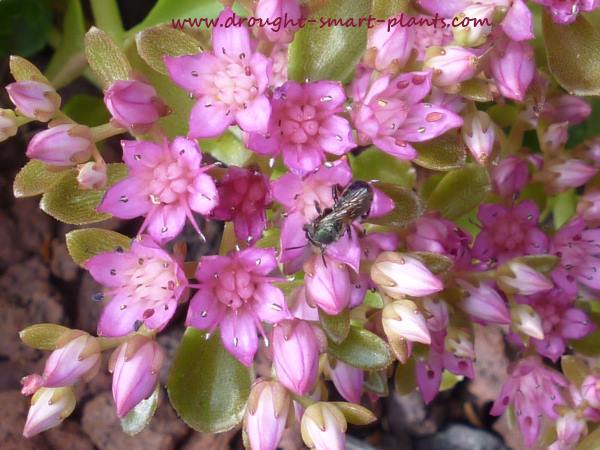
Sedum – both the groundcover types and the taller border varieties. Planting a butterfly garden will also attract many other pollinators, bees included.
2. Sempervivum
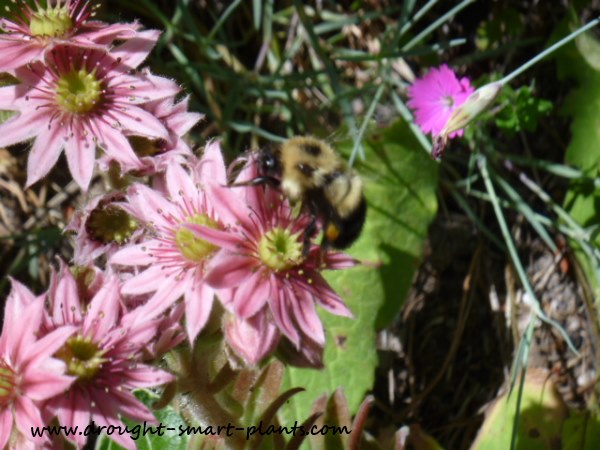
Sempervivum is a favorite bee plant – a good reason to allow them to bloom, even though it means the rosette will die once it’s finished.
3. Penstemon
This stately and elegant plant with the tubular blue or purple flowers attract bumblebees and also hummingbirds.
4. Oreganum
Many kinds of ornamental oregano are available, the golden type, and some that have much larger flowers. However, nothing is more attractive to honeybees than the culinary oregano.
5. Salvia
The culinary sage, Salvia officianalis, as well as many perennial Salvia are long blooming and attractive to many pollinators.
6. Agastache
Tall and somewhat weedy, Agastache attracts bees and hummingbirds. Plant at the back of a sunny border so the lax stems have neighbors to lean on.
7. Phacelia
Commonly used as a green manure cover crop, Phacelia is a favorite of bees, as well as having the most gorgeous blue flowers.
8. Thyme –
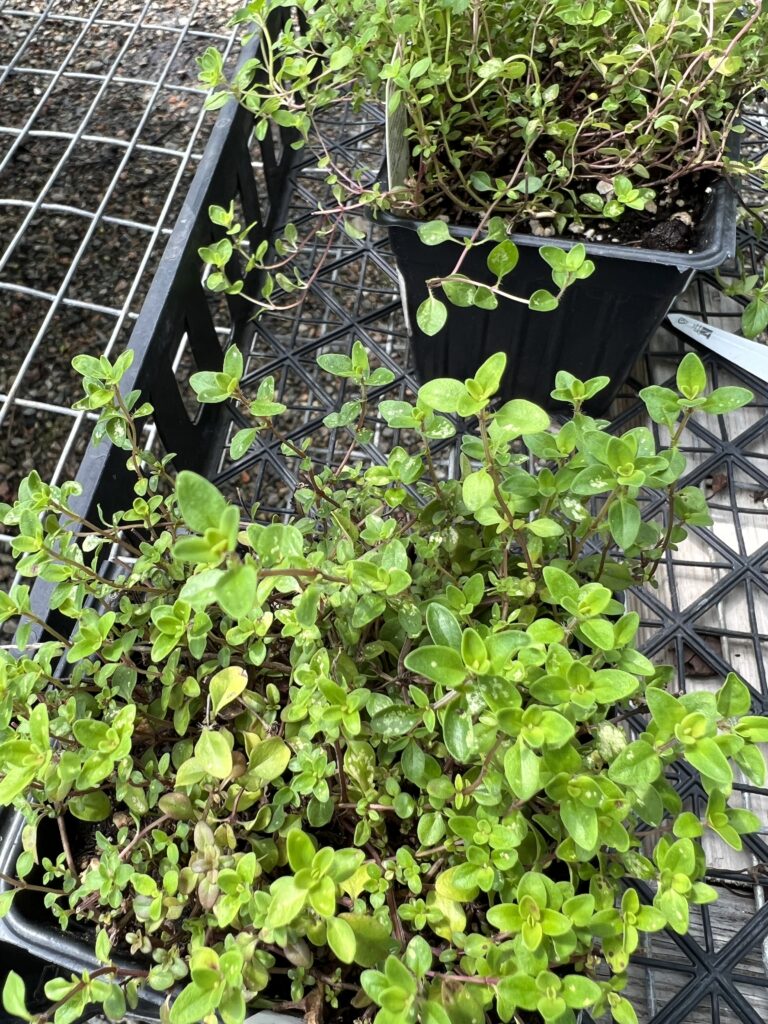
Elfin thyme in particular is very popular with pollinators of all kinds, both bees and wasps. For almost continuous blooming plant several different types of thyme as they flower in succession over the summer.
Legumes are popular with the bees for the nectar and the pollen which is produced in good quantities. Some of the most popular honey types are produced from the legume family:
9. Alfalfa
is really good as an accumulator bringing up nutrients from far below the topsoil, as well as obtaining nutrients from the air to store in its roots. The blooms open over a long period of time during the summer, ensuring a constant supply of nectar and pollen for the bees that visit.
10. Clover,
Both the white flowered low growing type and the taller red are invaluable in any garden with compacted soil, as they have an aggressive taproot and the ability to glean nitrogen from the air. They provide a good source of nectar for the bees, as you can tell if you pluck one of the tiny tubes and suck on the end of it – kids love the sweet taste of the tiny amount of nectar.
11. Vetch
With its purple blooms in July are another leguminous plant related to Alfalfa and Clover with favored flowers for bees.
Other plants such as the familiar and much used annual Buckwheat, a valuable green manure cover crop and has long been known as an especially valuable nectar plant for bees. The honey produced by bees foraging on it is dark and rich, and a favorite with many aficionados.
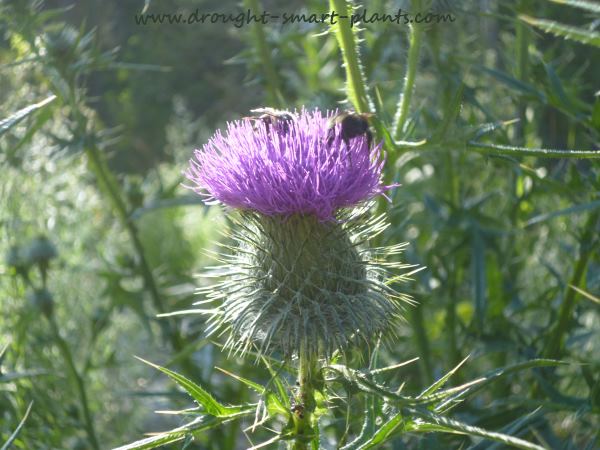
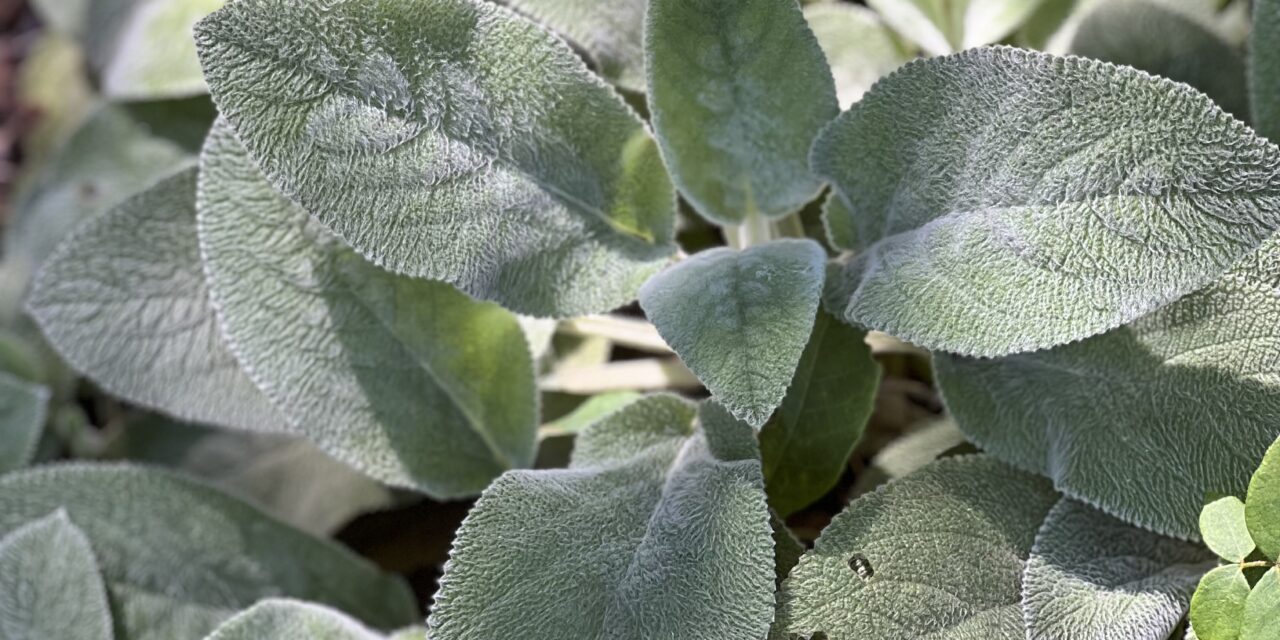
Even weeds such as thistles and dandelions are a big hit with bees of all kinds with their ample nectar and pollen, and any mint relatives are a welcome addition – look for any plants with square stems, such as the well behaved and welcome self seeding Stachys lanata or wooly lambs ears, as this is one botanical hint that you are choosing the bees favorite flowers.
Plant as many different kinds of flowering plants, including shrubs such as Salix (willows) in your hedgerows, Arctostaphylos uva-ursi (kinnickinnick), Amelanchier (Saskatoon), and perennial xeric plants or even a lawn for bees.
Throw in some seeds of fast growing annual plants and your garden will buzz with life and attract many pollinating xeric garden insects and especially bees.