Cold and Drought Tolerant Cactus Plants
Although many cacti species originate in warmer places in the world, there are also some kinds that come from cold zones.
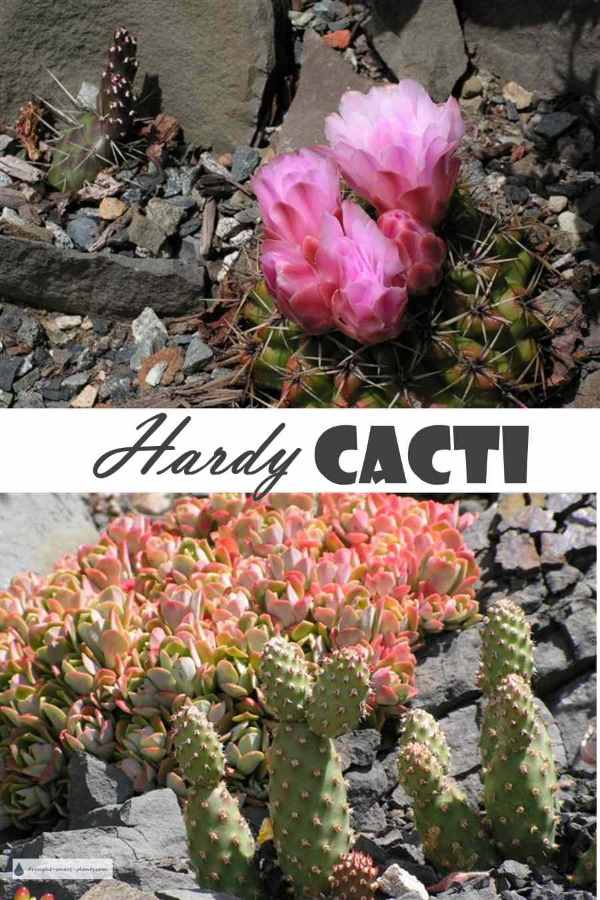
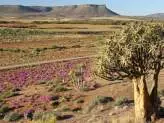
The hardy cacti that grow in Alberta and the Chilcotin area of British Columbia thrive in the dry cold desert conditions.
They are perfectly adapted to survive in alkaline poor soils, with sporadic rainfall.
Mulched with gravel chips or other pebble mulch in a desert display and accented with larger specimen stones or driftwood they are unmatched for providing that special focal point.
Sometimes drought conditions last several years in a row, but it only takes a good rain for these hardy cacti to emerge from dormancy with a bang – flowering profusely to make up for lost time.
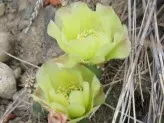
The Opuntia fragilis of the Chilcotin bloom only when conditions are exactly right – heavy rainfall after a prolonged dry spring will trigger an explosion of lemon or chartreuse tissue paper like flowers to emerge – impossibly fragile looking – to attract many pollinators.
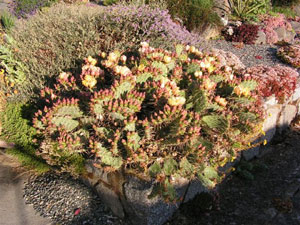
This hardy cactus, Opuntia fragilis, is named for its tendency to be loosely attached, so pieces will stick to an animal’s fur coat as it passes, and roll off in time to form new colonies where they drop.
There is even evidence of the propagules floating down rivers in spring flood to eventually beach themselves and form new groups on the rivers edge.
Other hardy cacti bloom in bright pink, orange, white or gold.
Imagine when this plant finally blooms – each pad has many buds emerging at the same time, so the plant itself will be totally covered.
Cactus Garden Design
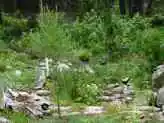
Check out my garden specially geared for safely growing hardy cacti: fenced in and decorated like Boot Hill, this is unique;
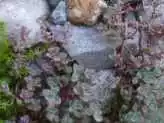
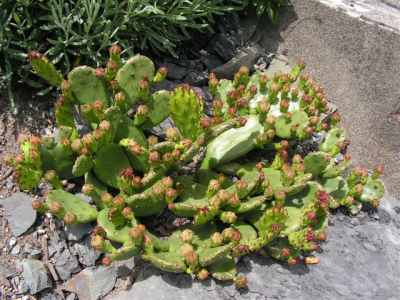
Combining these weird and wonderful plants with other hardy succulents such as Sedum and Sempervivum which thrive in similar conditions enhances the textures and colours of the xeric garden, taking it to a whole new level.
Luckily, hardy cacti thrive on benign neglect and poor soils as long as the drainage is perfect, making them an ideal companion for other drought smart plants in xeric gardens.
Handling Hardy Cacti
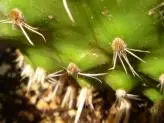
The spines of most cacti are barbed, making them hard to remove from unprotected skin.
To remove them, use duct tape or other tape, if that fails use antibiotic cream and a Band-Aid to loosen them.
Never try and remove a propagule (cactus pad) with bare hands. Gloves, pliers or a rolled up magazine or newspaper for protection are essential.
See more pictures of Cacti here;
Even though the blooms are to die for, they’re fleeting and short lived. The structural and architectural shapes of hardy cacti provide lots of interest in other seasons.
Like the Opuntia bentonii, after the blooms are finished;
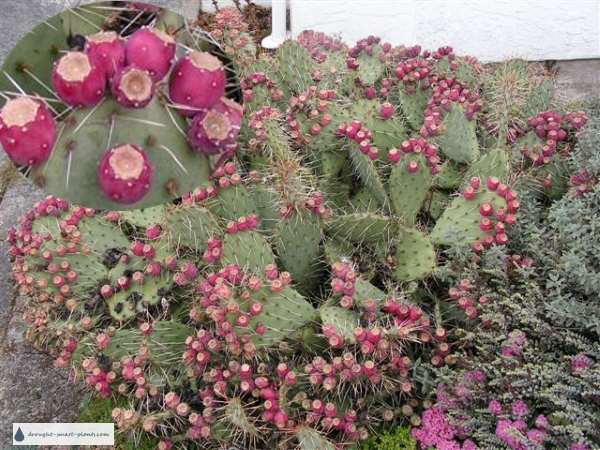
Like almost all Opuntia, or prickly pear, the fruit is edible – if you can wrest it away from the plant!