
Nature’s pH Neutralizer
As an Amazon Associate I earn from qualifying purchases.
Other links on this site may lead to other companies that I’m associated with.
Dolomite lime is a mineral from the earth which contains a natural form of calcium easily available to plants. The limestone it comes from occurs due to the accumulation of water borne minerals over eons of time.
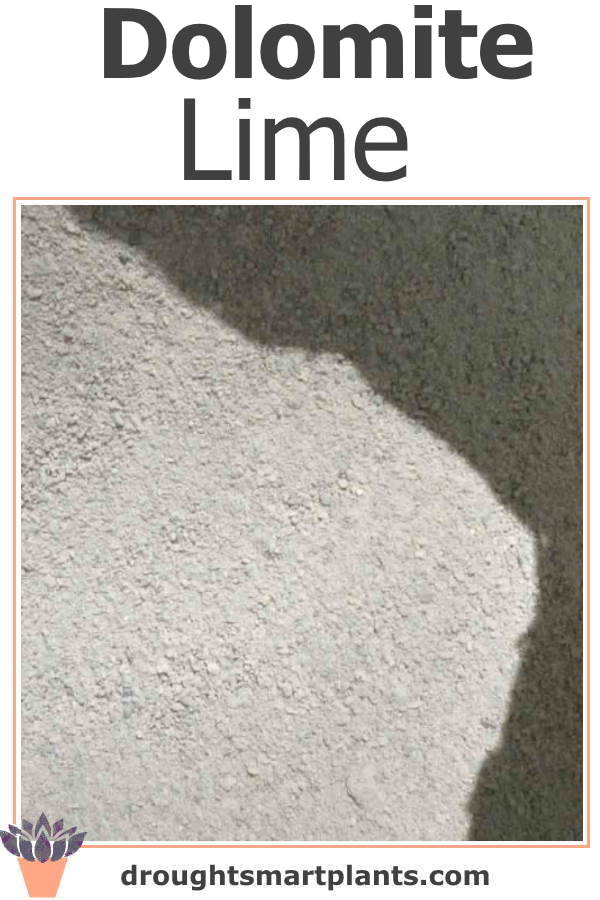
As a very safe form of lime for gardens, there is almost no limit to its use as a conditioner in soils, especially those sandy and acid soils so common in the southern interior of British Columbia.
Wherever you see pine trees growing, that’s an indication that the soil will benefit from dolomite lime. Old time gardeners used it to ‘sweeten’ the soil and combat excessively acidic conditions.
To check to see if you need to use this or any other soil sweetener, use the simple Home Soil Test on this site.
In clay soils, dolomite lime will enable the clay particles to break up and become more friable, allowing better water drainage. It also enables the nutrients tied up by the pH to be released for use by the plants.
Added in combination with organic matter it will improve most soils immensely in only a few years.
Used in specific garden beds to locally improve soil for growing Brassicas, peas and tomatoes it’s invaluable.
To prevent blossom end rot in tomatoes which is caused by a lack of calcium simply broadcast the dolomite lime along with ample compost over the soil.
If blossom end rot shows up later in the season, add more with a liberal application of compost tea to wash it into the soil.
Sprinkle it in trenches for direct seeding or for planting out young seedlings as it has virtually no risk of burning like hydrated lime which should never be used in a garden.
Sprinkled over lawns or gardens under coniferous trees it combats the acidity produced by many years of needle drop, and raises the pH of the soil enough to enable the release and use of nutrients. In cases like these, it’s safe to use a large amount without bothering about pH testing.I’ve simply added dolomite lime to these kinds of areas with no additional organic matter and the growth of plants is amazing.
Wood ashes are another pH adjuster that you can add to your garden.
I’ve also been asked if you can add dolomite lime to water, to buffer the pH, but I’ve never tried this, for two reasons; one is that dolomite lime is ground up limestone, so it’s unlikely to be soluble.
It will just clog up your watering can.
The second reason is that if it’s left in a watering can or container for a while, it’s possible that it will precipitate out, which will make it useless as a watered in product.
And, it will clog your watering can.
The best way to use it seems to be to sprinkle it (dry) onto the surface of the soil and water it in.
Do not add dolomite lime to soil for Echeveria – out of all the wide array of succulents, these are the only ones to really dislike lime in the soil.